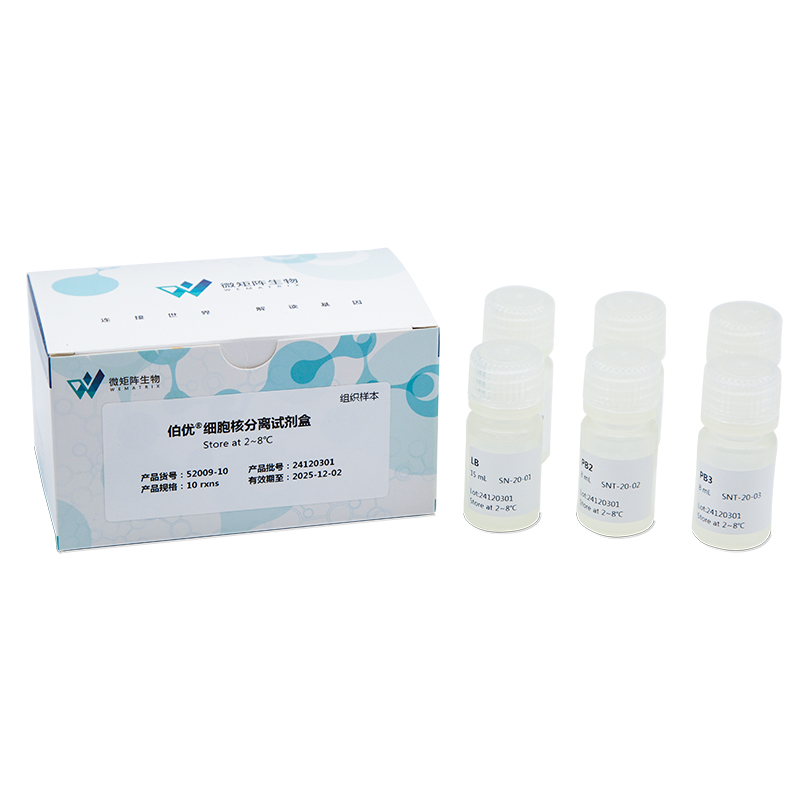
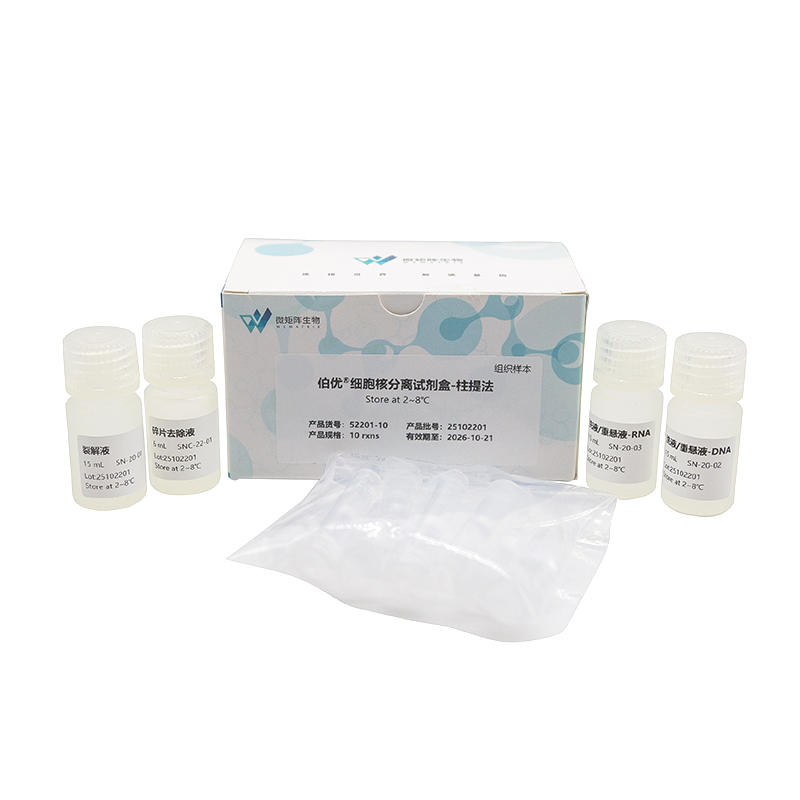
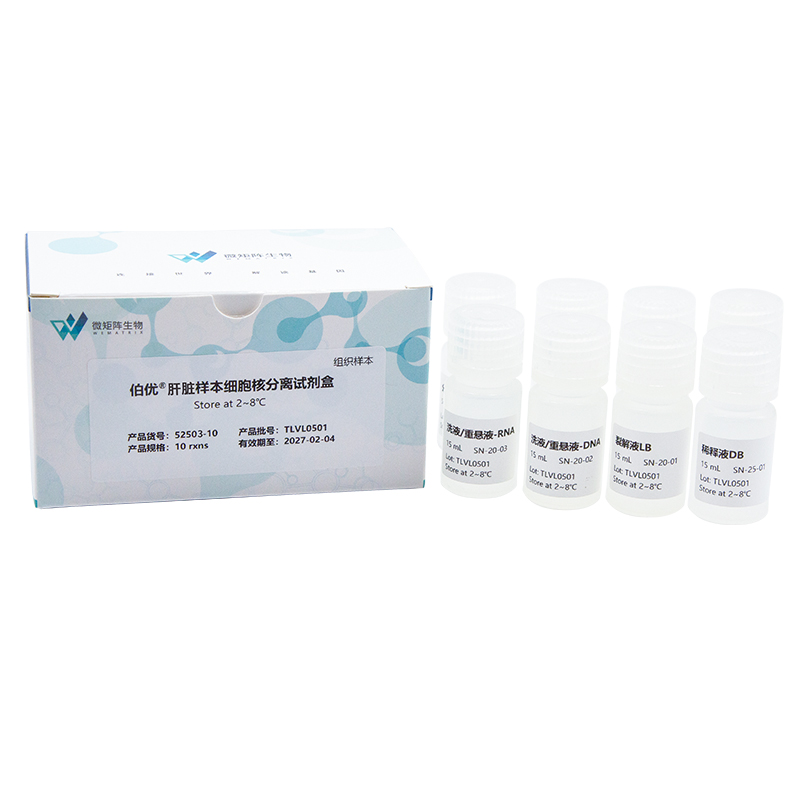
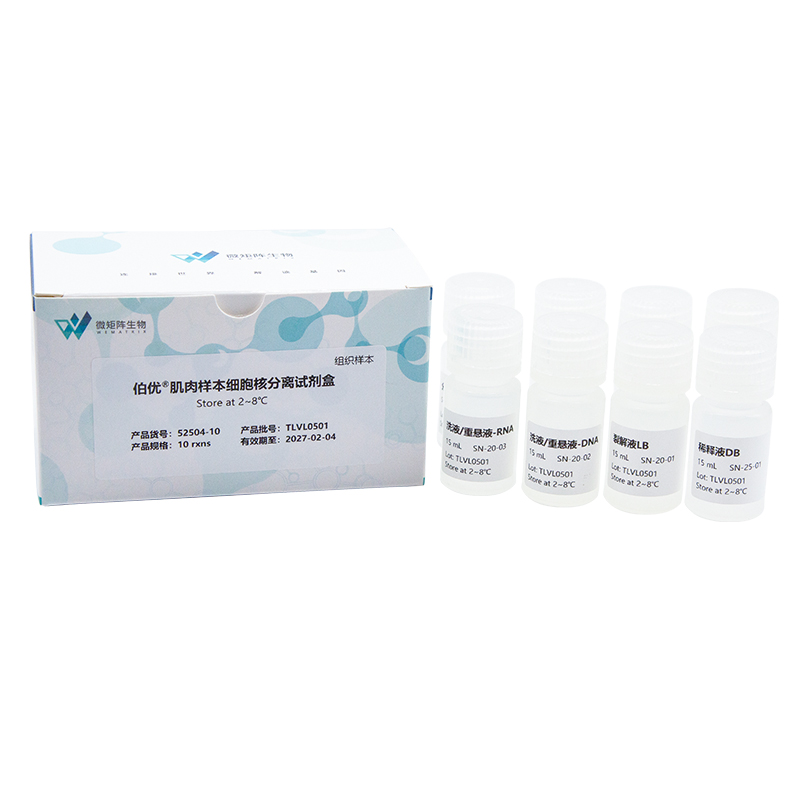
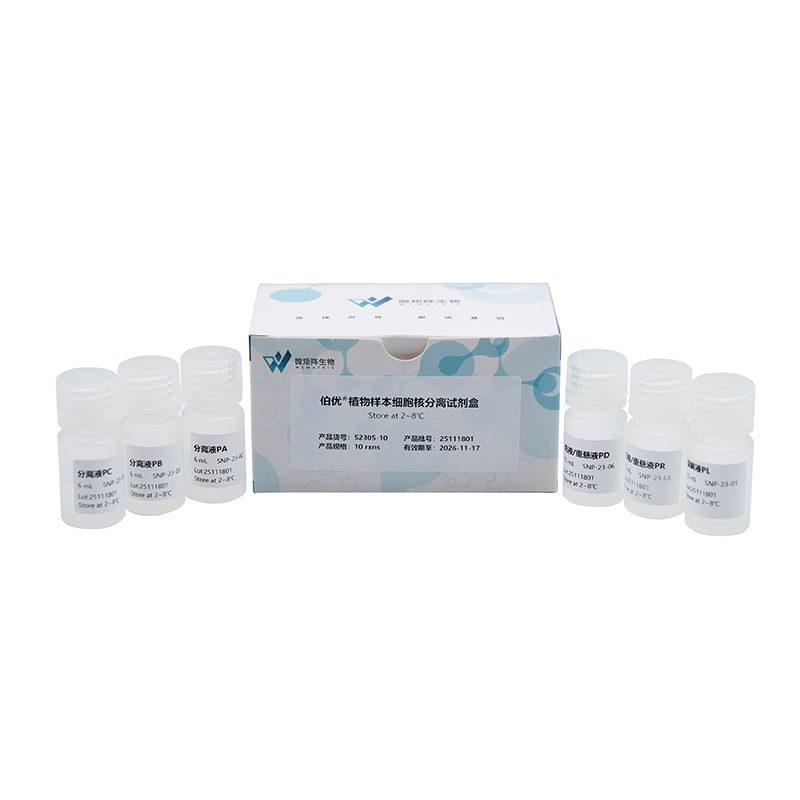
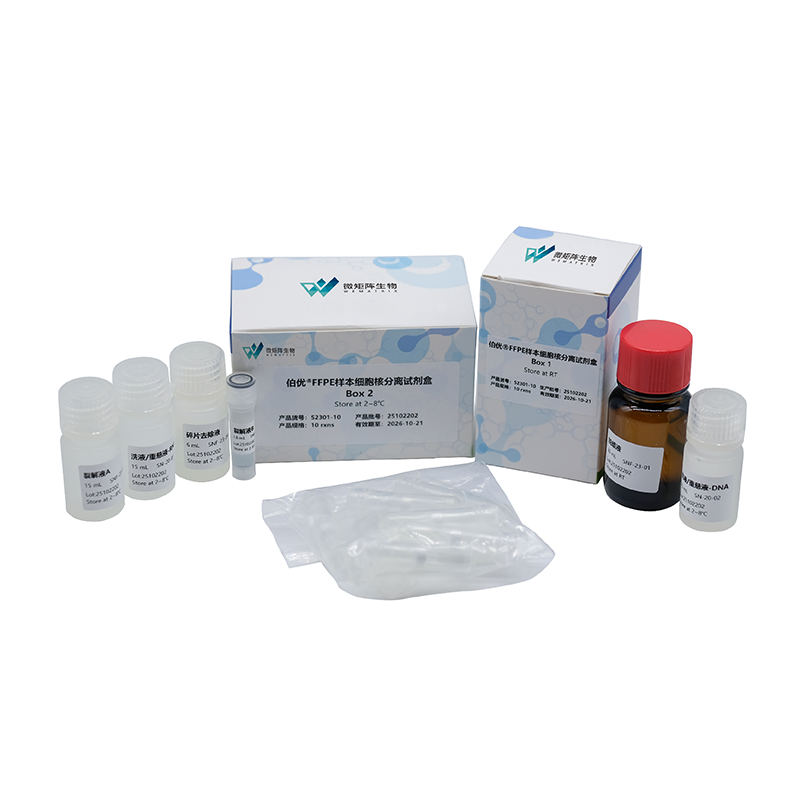
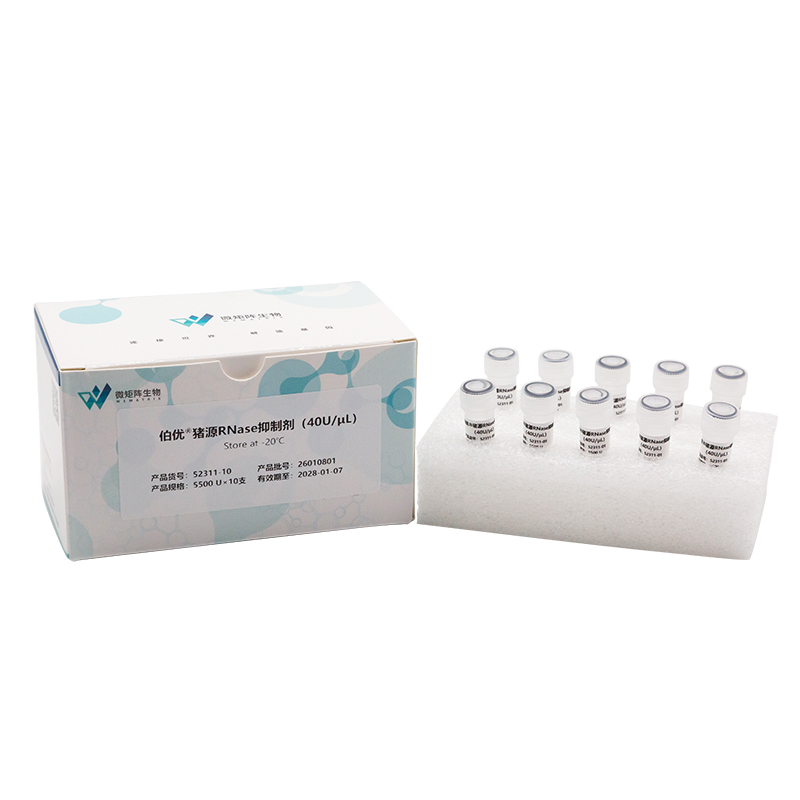
This product is specially designed to isolate high-purity single nuclei from animal tissues. Intact nuclei are released through tissue homogenization and cell membrane lysis, while the nuclear membrane stability and spatial structure of chromatin are well preserved. The optimized density gradient centrifugation effectively removes cell debris and contaminants, enabling the nuclei to meet strict quality requirements for cutting-edge research including single-cell omics and epigenetics.
Applications
The prepared nuclear suspension is applicable to nuclear transcriptomics (e.g., snRNA-seq, bulk RNA-seq) and epigenetics research (e.g., scATAC-seq, bulk ATAC-seq, CUT&Tag).
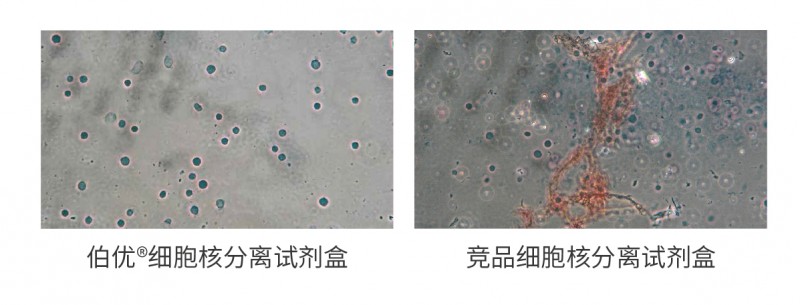
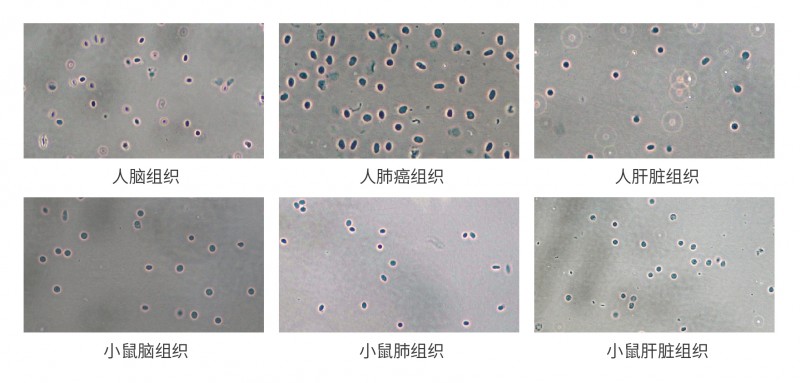
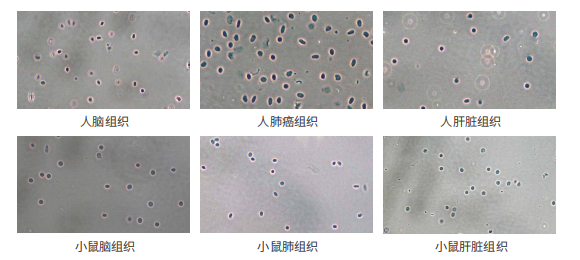
Microscopy Images
Application Cases
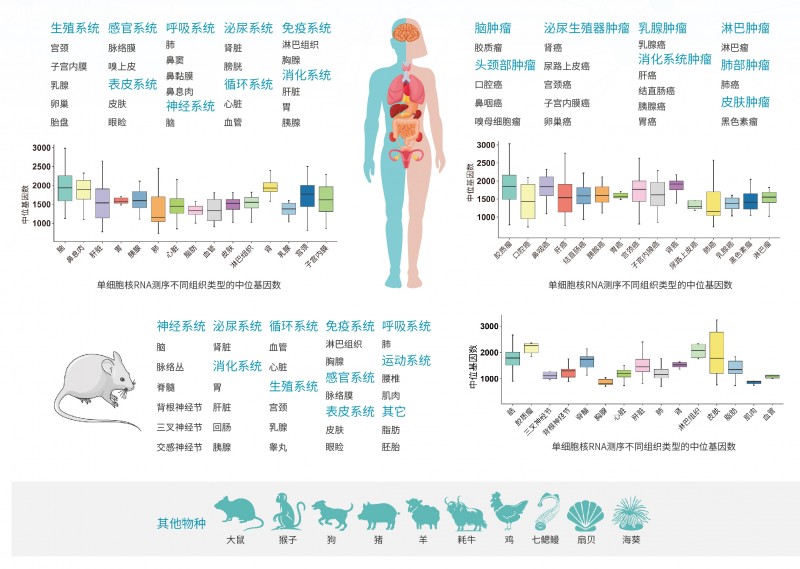
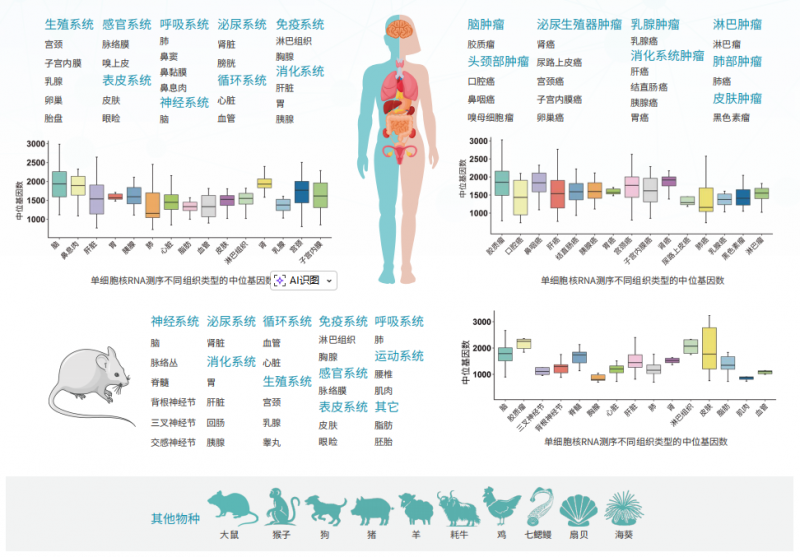
Boyou® Nucleus Isolation Kit has been successfully used for nucleus extraction from nearly 20 species, including mammals such as humans, mice and rats, as well as invertebrates like scallops and sea anemones. It is compatible with over 200 tissue types including brain, liver, heart, lung, kidney, spleen and various tumor tissues, with more than 20,000 sample preparations completed so far. It provides a stable and reliable solution for single-nucleus RNA sequencing.
Tested Tissue Types for Single-Nucleus RNA Sequencing
应用文献
IF 8npj Precision Oncology2026
Single-nucleus sequencing dissects the malignant change of early lung adenocarcinoma: SMAD3 suppresses antitumor T cell immunity via ICAM1
Zheng Zhi, Liao Shuangqing, Yang Chengfei, Li Yanqi, Wang Kai, Huang Ziqi, Liu Sijin, Dai Zhuoxin, Liu Xiaobing, Dai Peng, Deng Xufeng, Dai Jigang, Liu Quanxing
文章名称
Single-nucleus sequencing dissects the malignant change of early lung adenocarcinoma: SMAD3 suppresses antitumor T cell immunity via ICAM1
杂志
npj Precision Oncology
IF
8
发表年份
2026
物种
人
IF 4.3Frontiers in Cell and Developmental Biology2026
Cardiomyocyte-derived BDNF restricts cardiac fibrosis by decreasing the activity of the TGF-β/Smad2/3 pathway and increasing Smad7 expression
Zhang Lixiao, Li Xiang, Luo Hongdi, Huo Yujia, Zhou Guangkeng, Wang Pengcheng, Wu Sipeng, Lin Xinyong, Dai Kai, Shi Jiahao, Wang Zebao, Xu Jiaxin, Li Renjian, Chen Siyi, Sun Zhe, Zhao Chunlin, Zhou Zizhuo, Wang Zhenhong, Liang Chensi, Zhu Jun, Chen Xingjun, Luo Jintao, Yu Yong, Zhang Zhirong, Wang Geng
Comprehensive snRNA-Seq Datasets of Human and Mouse Podocytopathy Integrated with GWAS of Microalbuminuria
杂志
Scientific Data
IF
6.9
发表年份
2025
物种
人/小鼠
IF 7.9Clinical and Translational Medicine2025
Proteogenomic characterisation of primary oral cancer unveils extracellular matrix remodelling and immunosuppressive microenvironment linked to lymph node metastasis
Yu Liu, Zhenyu Yang, Jingya Jane Pu, Jie Zhong, Ui-Soon Khoo, Yu-Xiong Su, Gao Zhang
文章名称
Proteogenomic characterisation of primary oral cancer unveils extracellular matrix remodelling and immunosuppressive microenvironment linked to lymph node metastasis
杂志
Clinical and Translational Medicine
IF
7.9
发表年份
2025
物种
人
IF 4.6Frontiers in Cell and Developmental Biology2025
snRNA-seq reveals subcutaneous white adipose tissue remodeling upon return to thermoneutrality after cold stimulation
Yan-Jia Luo, Longfei Li, Ze-Ka Chen, Ping Dong, Ling Xie, W. Todd Farmer, Qing-Song Yu, Lian-Xiang Jiang, Wei-Kun Su, Hong-Shan Liu, Hua-Zhi Wang, Zhuo-Lei Jiao, David James Melville, Emma Penel, Ryan N. Sheehy, Taylor Landry, Jing Wang, Hong Jiang, Xiao-Hong Xu, Xian Chen, Nan-Jie Xu, Tian Xue, Tian-Le Xu, Ya-Dong Li, Juan Song
文章名称
Segregated supramammillary-dentate gyrus circuits modulate cognitive and affective function in healthy and Alzheimer’s disease model mice
杂志
NEURON
IF
15
发表年份
2025
物种
小鼠
IF 10.1International Journal of Surgery2025
Neuron-specific transcriptomic dysregulation in methotrexate-induced cognitive impairment revealed by SnRNA-seq
Zhang Chang, Xiang Xiangying, Liu Jian, Huang Yongjie, Xue Jingwen, Sun Qian, Leng Song, Liu Shaobo, He Xuefei, Hu Peng, Zhan Xiangjiang, Qiu Qiang, Yang Shilong, Brosius Jürgen, Deng Cheng
文章名称
Constitutively active glucagon receptor drives high blood glucose in birds
杂志
NATURE
IF
48.5
发表年份
2025
物种
鸡
IF 6.2ECOTOXICOLOGY AND ENVIRONMENTAL SAFETY2025
Characterizing microglial heterogeneity in autophagy impairment of Paraquat-induced Parkinson’s disease-like neurodegeneration
Li Jingjing, Ma Yunlong, Cao Yue, Zheng Gongwei, Ren Qing, Chen Cheng, Zhu Qunyan, Zhou Yijun, Lu Yu, Zhang Yaru, Deng Chunyu, Chen Wei-Hua, Su Jianzhong
文章名称
Integrating microbial GWAS and single-cell transcriptomics reveals associations between host cell populations and the gut microbiome
杂志
Nature Microbiology
IF
20.5
发表年份
2025
物种
小鼠
IF 7.9Clinical and Translational Medicine2025
Proteogenomic characterisation of primary oral cancer
unveils extracellular matrix remodelling and
immunosuppressive microenvironment linked to lymph
node metastasis
Yu Liu, Zhenyu Yang, Jingya Jane Pu, Jie Zhong, Ui-Soon Khoo, Yu-Xiong Su, Gao Zhang
文章名称
Proteogenomic characterisation of primary oral cancer
unveils extracellular matrix remodelling and
immunosuppressive microenvironment linked to lymph
node metastasis
杂志
Clinical and Translational Medicine
IF
7.9
发表年份
2025
物种
人
IF 3.9Frontiers in Endocrinology2025
Single-nucleus RNA sequencing reveals dynamic changes in the microenvironment of visceral adipose tissue and metabolic characteristics after cold exposure
Ting Yi, Shuai Wu, Yusha Yang, Xi Li, Shuran Yang, Yongqiang Zhang, Li Zhang, Yuyu Hu, Guanyu Zhang, Jun Li, Danfeng Yang
文章名称
Single-nucleus RNA sequencing reveals dynamic changes in the microenvironment of visceral adipose tissue and metabolic characteristics after cold exposure
杂志
Frontiers in Endocrinology
IF
3.9
发表年份
2025
物种
小鼠
IF 14.3Advanced Science2025
Radiotherapy-Associated Cellular Senescence and EMT Alterations Contribute to Distinct Disease Relapse Patterns in Locally Advanced Cervical Cancer
Jieyi Ma, Siyi Zheng, Chenrui An, Hui Han, Qiwen Li, Ying Huang, Gan Xiong, Shuang Chen, Siyao Guo, Zhaoyu Wang, Wei Wei,
Yudan Shang, Yushan Ji, Cuiyun Yang, Junho Choe, Quan Yuan, Yong Fan, Canfeng Zhang , and Shuibin Lin
文章名称
Pathogenic mechanism and therapeutic intervention of impaired
N7-methylguanosine
(m7G) tRNA modification
杂志
PNAS
IF
9.4
发表年份
2024
物种
小鼠
IF 6.2ECOTOXICOLOGY AND ENVIRONMENTAL SAFETY2024
Brain single-cell transcriptomics highlights comorbidity-related cell type-specific changes of Parkinson’s disease with major depressive disorder after paraquat exposure
Brain single-cell transcriptomics highlights comorbidity-related cell type-specific changes of Parkinson’s disease with major depressive disorder after paraquat exposure
杂志
ECOTOXICOLOGY AND ENVIRONMENTAL SAFETY
IF
6.2
发表年份
2024
物种
小鼠
IF 7.5Cell Reports2024
RAC1 inhibition ameliorates IBSP-induced bone metastasis in lung adenocarcinoma
An advanced comprehensive muti-cell-type-specific model for predicting anti-PD-1 therapeutic effect in melanoma
杂志
Theranostics
IF
12.4
发表年份
2024
物种
人
IF 15.1Advanced Science2023
Single-Nucleus Transcriptome Profiling of Locally Advanced
Cervical Squamous Cell Cancer Identifies Neural-Like
Progenitor Program Associated with the Efficacy of
Radiotherapy
Lei Zhang, Jun Ma, Di Zhou, Junjun Zhou, Bin Hu, Xiumei Ma, Jianming Tang,
Yongrui Bai,Haiyan Chen, and Ying Jing
文章名称
Single-Nucleus Transcriptome Profiling of Locally Advanced
Cervical Squamous Cell Cancer Identifies Neural-Like
Progenitor Program Associated with the Efficacy of
Radiotherapy
杂志
Advanced Science
IF
15.1
发表年份
2023
物种
人
IF 4.6JOURNAL OF DERMATOLOGICAL SCIENCE2023
Updated skin transcriptomic atlas depicted by reciprocal contribution of single-nucleus RNA sequencing and single-cell RNA sequencing
Development of opioid-induced hyperalgesia depends on reactive astrocytes controlled by Wnt5a signaling
杂志
MOLECULAR PSYCHIATRY
IF
13.437
发表年份
2022
物种
人
IF 14.224Journal Of Hazardous Materials2022
Brain single-nucleus transcriptomics highlights that polystyrene nanoplastics potentially induce Parkinson’s Disease-like neurodegeneration by causing energy metabolism disorders in mice
Boxuan Liang, Yuji Huang, Yizhou Zhong, Zhiming Li, Rongyi Ye, Bo Wang,Bingli Zhang, Hao Meng, Xi Lin, Jiaxin Du, Manjiang Hu, Qinghong Wu, Haixia Sui,
Xingfen Yang d, Zhenlie Huang
文章名称
Brain single-nucleus transcriptomics highlights that polystyrene nanoplastics potentially induce Parkinson’s Disease-like neurodegeneration by causing energy metabolism disorders in mice
杂志
Journal Of Hazardous Materials
IF
14.224
发表年份
2022
物种
小鼠
IF 6.4Elife2021
Single-nucleus transcriptomic atlas of spinal cord neuron in human
Q: Both 52009 and 52201 are general kits for tissue samples. What are the differences between them in workflow, principle and initial sample amount?
A: The basic workflow of both kits includes tissue homogenization & cell lysis, debris removal, washing and nucleus resuspension. Kit 52009 removes debris and impurities via density gradient method, delivering nuclei with high purity. Kit 52201 adopts column-based purification using filter columns and debris removal solution, featuring a shorter workflow and higher yield. The recommended initial sample amount is 20–50 mg. Kit 52201 is also compatible with low-input samples below 10 mg.
Q: How much tissue is required for a single test with Kit 52009? What methods are available for tissue grinding?
A: The recommended initial tissue amount is 20–50 mg. Either an electric homogenizer or a manual pestle can be used for grinding, depending on tissue type.
Q: For nucleus extraction from mouse liver samples followed by ATAC-seq, are there any differences between fresh and frozen tissues? Is there a solution to preserve fresh tissues?
A: Fresh tissues are preferred, while frozen tissues are also applicable. Single-cell Tissue Preservation Solution (Boyou, Cat. 21903) can maintain cellular activity for up to 72 hours.
Q: Can Kit 52009 be used for both frozen and fresh tissues?
A: Yes, it works for both fresh and frozen tissues.
Q: For tumor samples intended for subsequent single-cell RNA-seq, which grinding and homogenization method is recommended?
A: Use an electric homogenizer (Omni TH Handheld/Benchtop Homogenizer) at low speed for 5–10 seconds.
Q: How many freeze-thaw cycles are allowed for isolated nuclei?
A: Repeated freeze-thaw of isolated nuclei is not recommended. Subsequent experiments should be performed within half an hour.
Q: How to improve incomplete tissue homogenization for certain samples?
A: Cut the tissue into small pieces with scissors prior to homogenization. Moderate homogenization is sufficient; excessive homogenization will impair nucleus morphology and yield.